CHANGZHOU, China, Sept. 24, 2026 /PRNewswire/ -- TrinaTracker, a global provider of smart tracking systems and a wholly owned subsidiary of Trina Solar Co., Ltd. (SHA: 688599), has launched two self-developed robotic products: BUILDEX PV Module Installation Robot and AURORA PV Cleaning Robot, to expand its Smart PV Ecosystem.
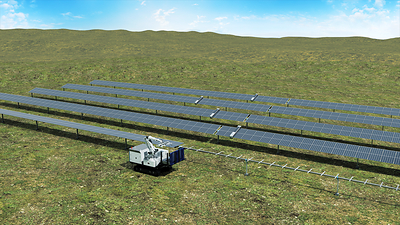
Since the beginning of the year, TrinaTracker has transformed from a tracking system equipment supplier into a Smart PV and Robotics Solution Provider. By integrating high-reliability trackers, AI algorithms, installation and cleaning robots, as well as engineering and intelligent operations services, the company delivers a full lifecycle solution for PV power plants by optimizing plant design, improving construction and O&M quality, and reducing operational costs.
BUILDEX PV Module Installation Robot: Breaking Construction Bottlenecks
Large-scale PV projects have traditionally relied heavily on manual module installation, resulting in heavy labor input, long construction cycles, high costs, inconsistent installation precision and safety risks, hindering barriers to standardized rollout. BUILDEX reshapes PV construction through automated, standardized and intelligent workflows.
Powered by high-precision AI vision positioning and integrated precision mechanical control systems, BUILDEX autonomously completes module picking, transportation, alignment and placement. It adapts to complex terrain and diverse tracker layouts, reducing labor intensity and safety risks while improving installation accuracy and delivery speed for large-scale solar bases.
AURORA PV Cleaning Robot: Safeguarding Energy Yield and Enabling Refined Smart O&M
PV plants operate under harsh outdoor conditions. Dust and stains on module surfaces block sunlight and reduce power generation, undermining long-term plant revenue. Conventional manual cleaning is constrained by terrain, weather, labor and safety risks, making it unsuitable for large-scale refined O&M. AURORA delivers unmanned, non-damaging, regular and intelligent cleaning to maintain module cleanliness, boost power output, lower long-term O&M costs and unlock asset value.
Combining AI & Robotics: Redefining PV Asset Value
TrinaTracker's investment in AI and robotics is not merely hardware iteration, but a strategic upgrade of its full-stack "Tracker+" smart energy ecosystem. AI serves as the digital brain for robotic hardware, connecting construction automation and routine O&M. Physical PV assets are coupled with digital twins to help plant owners lower LCOE and maximize asset value.
Global operational data from TrinaTracker's worldwide portfolio fuels continuous AI algorithm optimization, equipping its robots with strong adaptability for complex terrain, extreme weather and dynamic structural conditions. Robot data integrates with Trina's digital platform to create a new model of fully automated, intelligent PV plant management.
The rollout of AI robotic products marks a key milestone in TrinaTracker's transformation from "equipment leadership" to "digital & intelligent leadership". Moving forward, TrinaTracker will continue advancing PV intelligence, enriching its robot portfolio and deepening AI integration across PV scenarios to refine the "Tracker+" ecosystem. The company will deliver all-in-one smart PV solutions to accelerate global solar development and support clean energy transition and carbon neutrality goals.
 View original content to download multimedia:https://www.prnewswire.co.uk/news-releases/trinatracker-launches-two-robots-to-expand-its-smart-pv-ecosystem-302889017.html

Eineinhalb Wochen nach der Berlin-Wahl kommt die Regierungsbildung in der Hauptstadt kaum voran. Zwar trafen sich Spitzenvertreterinnen und -vertreter von Linke, Grünen und SPD zu einem ersten Dreier-Treffen, doch eine gemeinsame Linie im Umgang mit Antisemitismus, Rassismus und organisierter Kriminalität zeichnet sich bislang nicht ab. Nach rund fünfstündigen Beratungen sprachen die Parteivorsitzenden Kerstin Wolter (Linke), Nina Stahr (Grüne) und Bettina König (SPD) lediglich von einem „konstruktiven“ Austausch – konkrete Ergebnisse präsentierten sie nicht.
Das vertrauliche Vorgespräch im Haus der Statistik nahe dem Alexanderplatz gilt als Voraussetzung für formale Sondierungsgespräche über eine mögliche rot-grün-rote Koalition. Grünen und SPD ist nach eigenen Angaben wichtig, dass die Linke klare und belastbare Zusagen im Kampf gegen Antisemitismus und zur Distanzierung von organisierter Kriminalität gibt. Das Misstrauen ist ausgeprägt: Mehrere Vorfälle in den Reihen der Linken hatten im Vorfeld für Besorgnis bei den potenziellen Partnern gesorgt.
Besonders kritisch gesehen wird, dass bei einer Wahlparty der Neuköllner Linken am 20. September sowohl ein Oberhaupt eines arabischstämmigen und zum Teil kriminellen Clans als auch ein umstrittener propalästinensischer Aktivist anwesend waren. Hinzu kommt die frühere Mitgliedschaft der Spitzenkandidatin Elif Eralp im Verein „Rote Hilfe“, der vom Verfassungsschutz seit 2012 als wichtige linksextremistische Gruppierung beobachtet wird. Die Organisation versteht sich zwar als Solidaritätsverein für linke Aktivisten mit Problemen mit dem Rechtsstaat, gilt den Sicherheitsbehörden aber als zentrale Struktur im Linksextremismus. Zuletzt trat auch der Vorsitzende der Linksfraktion im Bundestag, Sören Pellmann, der „Roten Hilfe“ bei.
Offen ist, wann die Gespräche in Berlin fortgesetzt werden. Die drei Parteien betonen, man wolle weiter miteinander reden, ein genauer Zeitplan wurde jedoch nicht genannt. Innerhalb der SPD wird bereits damit gerechnet, dass es mehr als ein Vorgespräch brauchen wird, bevor formelle Sondierungen starten können. Auf Bundesebene werden die Entwicklungen genau verfolgt: Die Hauptstadtwahl gilt als Stimmungsbarometer für den Umgang der Parteien mit Antisemitismus- und Extremismusvorwürfen – und als Belastungstest dafür, wie tragfähig ein erneutes Bündnis von Linken, Grünen und SPD in Berlin sein könnte.